Introduction In today’s digital landscape, launching a website is just the first step in establishing an online presence. With many businesses competing for visibility on search engine results pages (SERPs), understanding how search engines work is a necessary skill. This is where practical SEO training from SEOViP becomes relevant.
Search Engine F168 Optimization (SEO) is a standard method for driving organic traffic and building online authority. Whether you are a business owner looking to improve operations, a digital marketer expanding your skill set, or an independent contractor seeking steady work, enrolling in a structured SEO course provides a clear framework for digital marketing. Instead of relying solely on paid advertising, learning SEO allows you to build a system that supports your website’s visibility over the long term.
The practical value of professional SEO training
While paid advertising yields immediate visibility, it requires a continuous budget. When the campaign ends, the traffic typically stops. SEO, by contrast, builds long-term value. A properly optimized website can continue to attract visitors even when active optimization work is paused.
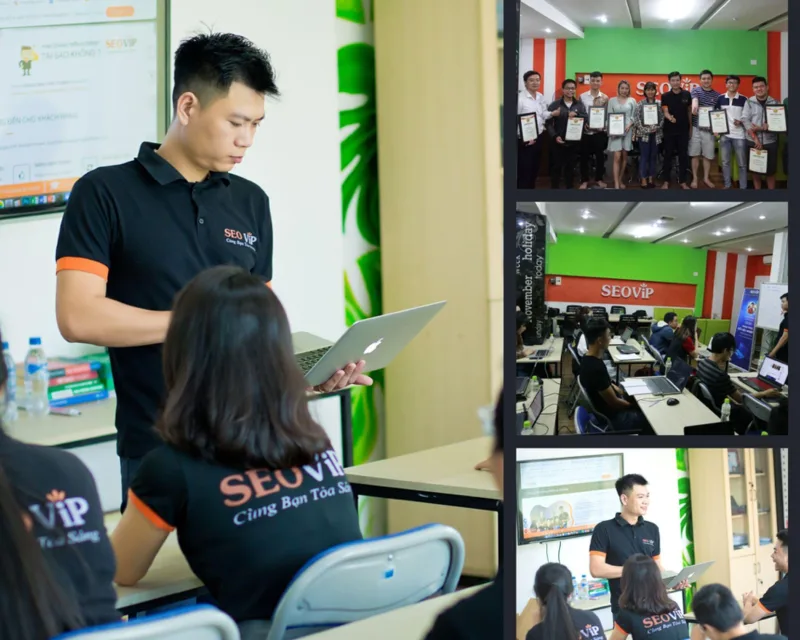
SEO is a data-driven process rather than guesswork. Professional SEO training explains search algorithms and provides a step-by-step methodology. By completing a practical SEO course with, individuals and businesses can expect realistic, measurable outcomes:
- Career Opportunities: The demand for professionals with SEO knowledge remains steady. Completing a structured training program can help individuals qualify for roles such as SEO Executive, Content Marketer, or Digital Marketing Specialist.
- Cost Efficiency for Businesses: For business owners, understanding SEO helps in managing marketing budgets more effectively. It can reduce the dependency on paid ads and lower the overall cost of customer acquisition over time.
- Independent Work: A solid understanding of search algorithms enables individuals to build and monetize their own websites, manage affiliate marketing projects, or offer consulting services to small businesses.
Real results: practical case studies
The effectiveness of any educational program is reflected in how its concepts are applied in the real world. Quality like the programs offered by SEOViP, focuses on execution using actual projects. Here are typical outcomes achieved by participants:
- Reducing Ad Dependency: A local B2B service company was spending heavily on paid search with decreasing profit margins. After their in-house team completed an SEO course from SEOViP, they gradually shifted part of their budget to organic search. Within six months of applying targeted keyword strategies and improving site structure, their organic traffic improved steadily, allowing them to reduce their paid ad budget by 30% while maintaining a consistent volume of client inquiries.
- The Freelance Consultant: A professional with a general marketing background took a coaching-based SEO course. By learning how to conduct technical website audits and build relevant backlinks, they secured two retainer clients within a few months, establishing a reliable secondary income stream.
Client Feedback and Reviews Participant feedback often highlights the practical benefits of formal training compared to unstructured learning:
- “Our team used to rely entirely on social media ads. The SEO training provided us with a clear understanding of sustainable traffic. The step-by-step guidance helped us optimize our product pages, bringing in a steady flow of organic visitors without increasing our daily ad spend.” – SME Business Owner.
- “The curriculum was very practical. Instead of just learning definitions, I learned how to structure articles, understand search intent, and use standard SEO tools. It gave me the confidence to handle the organic search strategy at my current job after finishing the SEO course.” – Marketing Specialist.
What to expect from a standard seo curriculum
When selecting an SEO course, such as the comprehensive SEOViP program, it is important to look for a curriculum that balances theory with practical application. A comprehensive program generally covers the following core areas:
- Search Engine Fundamentals: How search engines crawl, index, and rank web pages.
- Essential Analytical Tools: Using industry-standard tools like Google Analytics, Google Search Console, and basic keyword research software.
- Keyword Research: Identifying relevant terms that target audiences are actually searching for, focusing on search intent rather than just volume.
- On-Page & Content Optimization: Structuring web pages, optimizing meta tags, improving readability, and integrating keywords naturally.
- Off-Page SEO: Understanding domain authority and learning standard practices for building quality backlinks.
- Measurement and Reporting: Tracking rankings, analyzing traffic data, and reporting on key performance indicators (KPIs).
Frequently asked questions (FAQ) about SEO training
1. Who should enroll in an SEO course?
An SEO course from SEOViP is useful for business owners who want to oversee their marketing strategy, marketing professionals looking to integrate organic search into their campaigns, web developers wanting to build search-friendly sites, and content writers aiming to make their articles more visible on Google.
2. Do I need to know how to code to learn SEO?
No, programming skills are not strictly necessary. While a basic understanding of HTML is helpful, most SEO training focuses on content strategy, user experience, site structure, and the use of accessible analytics tools.
3. Can I just learn SEO for free online?
Free resources and videos are good for grasping basic concepts. However, professional training provides a structured learning path, updated information on current search engine algorithms, and the opportunity for feedback from experienced instructors on real projects. This helps avoid common beginner mistakes and outdated practices.
4. How long does it take to see results from SEO efforts?
SEO is a gradual process. While minor technical fixes can show quick improvements, meaningful changes in rankings and traffic typically require 3 to 6 months of consistent, ongoing optimization.
Search Engine https://f168.news/ Optimization is a logical and learnable skill that serves as a core component of digital marketing. Whether your objective is to find a job in the marketing sector, manage a business’s online presence more efficiently, or work independently, the knowledge gained from professional SEO training is highly practical. By choosing an SEO course that emphasizes real-world application, you can build a stable foundation for steady digital growth.
Leave a Reply